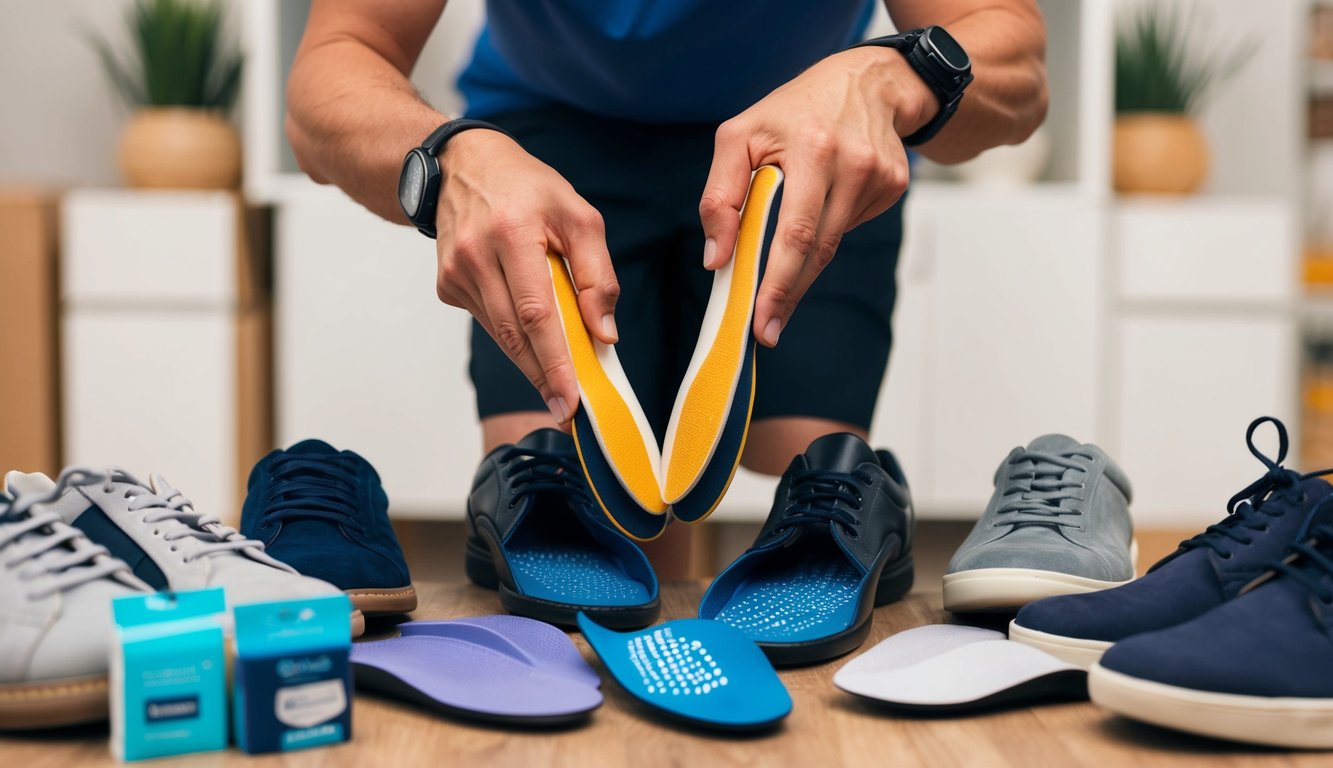
Expert Foot Pain Solutions for Lasting Relief
Living with foot pain can be a daily struggle, affecting your mobility and quality of life. If you’ve turned to orthotics for relief but find yourself still battling discomfort, you’re not alone.
When orthotics cause pain instead of providing relief, it’s often due to improper fit, incorrect design, or your body still adjusting to the new support structure…
Many people experience some initial discomfort when first wearing orthotics as their feet adapt to proper alignment. This adjustment period is normal, but persistent pain is a warning sign that shouldn’t be ignored. According to research, while orthotics are designed to provide support and alleviate pain, they can sometimes have the opposite effect if not properly fitted to your unique foot structure.
The relationship between your feet, orthotics, and pain relief is complex. Off-the-shelf options might not address your specific needs, while even custom orthotics can cause issues if they weren’t made correctly. Understanding common mistakes people make when using orthotics can help you avoid added discomfort and find the support your feet truly need.
Understanding Foot Pain and Its Causes
Foot pain affects millions of people daily and often stems from specific anatomical issues or lifestyle choices. Identifying the root cause of foot pain is essential for finding effective treatment options that provide lasting relief.
The Root Causes of Foot Discomfort
Foot pain frequently originates from structural issues in the foot itself. Improper footwear is a leading culprit, with tight, unsupportive shoes creating pressure points and alignment problems.
Overuse and repetitive strain contribute significantly to foot issues, especially for those who stand for long periods or participate in high-impact activities. This repetitive stress can damage the soft tissues and joints in your feet.
Biomechanical abnormalities like overpronation (excessive inward foot rolling) and high or low arches alter weight distribution across your foot with each step. These alignment issues gradually lead to chronic pain conditions.
Underlying health conditions may also manifest as foot pain. Conditions such as:
- Arthritis
- Diabetes
- Obesity
- Nerve damage
Common Foot Conditions and Alignments
Plantar fasciitis ranks as one of the most common causes of heel pain, characterized by inflammation of the band of tissue running from your heel to toes. You’ll typically feel sharp pain with your first morning steps.
Flat feet or collapsed arches occur when your arches flatten during weight-bearing, causing pain along the inner foot. Conversely, high arches fail to distribute weight evenly, creating excessive pressure on heel and ball areas.
Metatarsalgia presents as pain and inflammation in the ball of your foot, often due to excessive pressure on the metatarsal bones. This condition frequently affects athletes and people who wear high heels.
Bunions develop when the joint at your big toe’s base enlarges and shifts out of alignment. This progressive deformity causes pain, redness, and difficulty finding comfortable shoes.
The Role of Orthotics in Foot Health
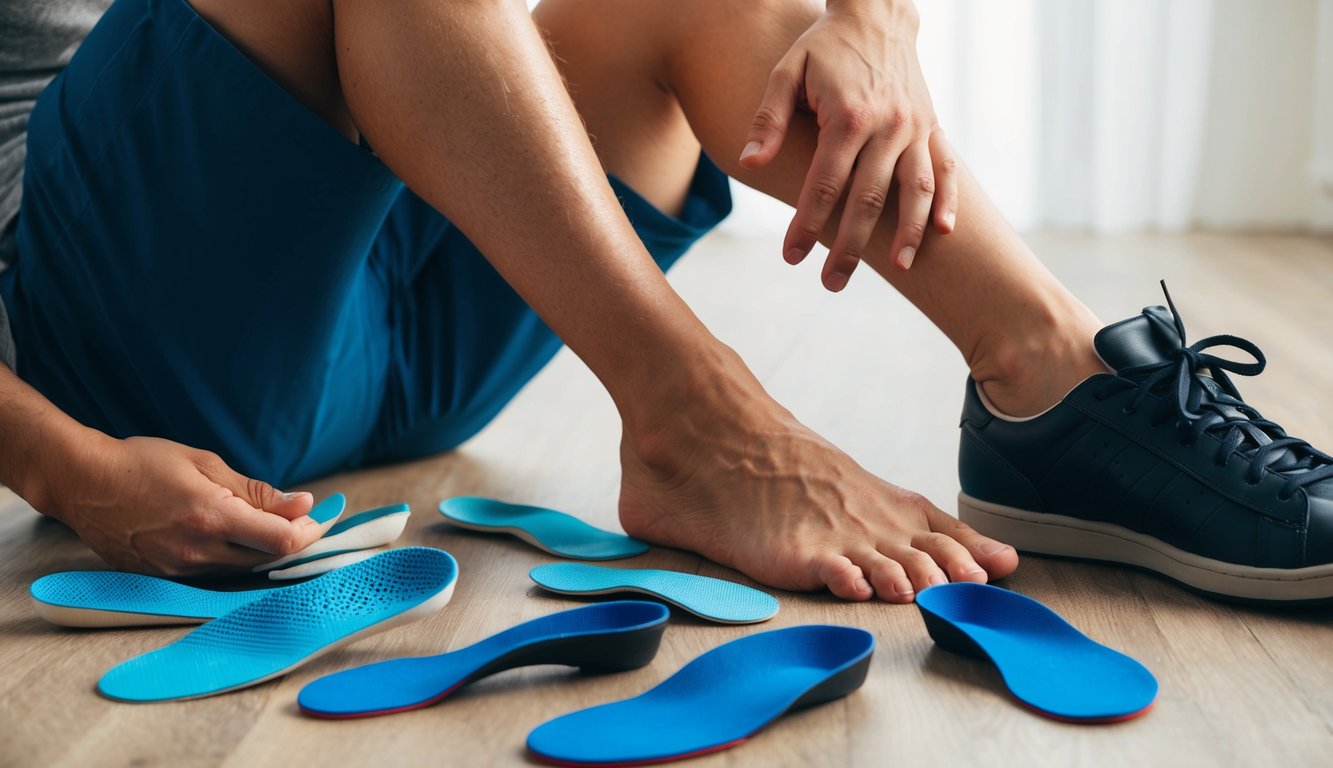
Orthotics play a crucial role in improving foot health by providing targeted support where your feet need it most. These specialized devices can transform your daily comfort and mobility when properly designed for your unique foot structure.
Benefits of Custom Orthotics
Custom orthotics offer significant advantages over generic insoles. Unlike one-size-fits-all options, custom orthotics are precisely crafted to address your specific foot issues and anatomy.
These tailored solutions provide optimal arch support, helping to distribute pressure evenly across your feet. This balanced weight distribution can prevent many common foot problems before they develop.
Research shows that 78% of Americans experience foot pain due to ill-fitting shoes, and one in four have foot pain so severe it interferes with daily activities.
Custom orthotics help correct biomechanical issues by guiding your feet into proper alignment. This alignment benefit extends beyond your feet, potentially improving knee, hip, and back positioning.
How Orthotics Alleviate Pain
Orthotics work by redistributing pressure points on your feet. This redistribution is especially beneficial if you suffer from conditions like plantar fasciitis, bunions, or metatarsalgia.
The cushioning provided by quality orthotics absorbs shock with each step you take. This shock absorption is particularly important if you stand for long periods or engage in high-impact activities.
For specific injuries like stress fractures, orthotics can reduce pain by offloading weight from the affected area. A 2018 study in Clinical Biomechanics confirmed that properly designed orthotics facilitated recovery in patients with metatarsal stress fractures.
Even for those with nerve-related foot pain, orthotics can provide relief by reducing pressure on sensitive areas and offering support to compensate for reduced sensation.
Choosing the Right Orthotics
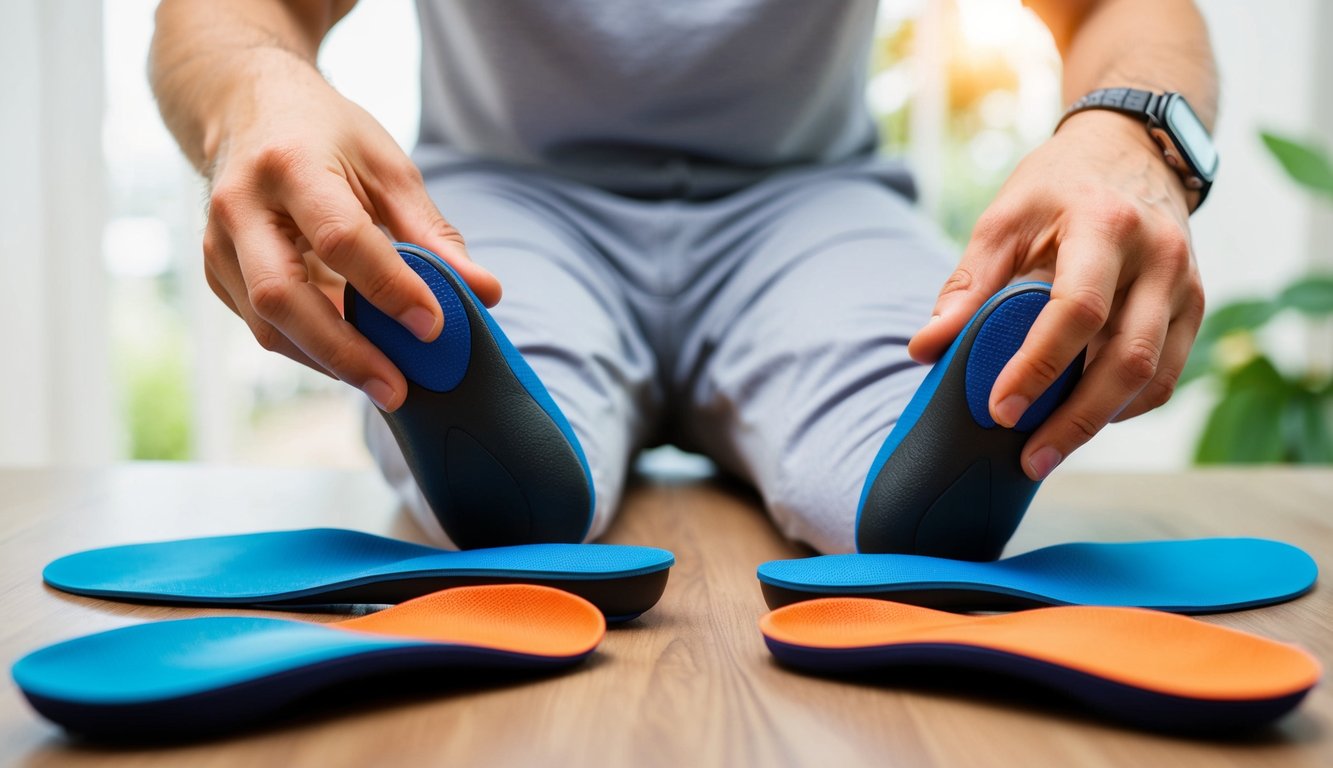
Finding orthotics that match your specific foot needs can make a huge difference in your comfort and pain levels. The right support depends on your foot shape, activity level, and the specific issues you’re experiencing.
Biomechanical Assessment and Selection
A proper biomechanical assessment is crucial before selecting orthotics. This evaluation examines how you walk, stand, and move to identify the root causes of your foot pain. A qualified professional will analyze your:
- Foot structure (arch type: high, neutral, or flat)
- Gait pattern (how your foot strikes the ground)
- Weight distribution
- Range of motion in your feet and ankles
Your foot arch type is essential information for choosing appropriate orthotics. The wrong type can actually increase your discomfort rather than relieve it.
The thickness of the orthotic material also matters. Thicker materials offer more support but take up more space in your shoes. Consider your typical footwear when making this decision.
OTC vs. Custom Orthotics
Over-the-counter (OTC) orthotics and custom options each have distinct advantages:
OTC Orthotics:
- More affordable ($20-$80 typically)
- Immediately available
- Good for mild support needs
- Work well for general comfort issues
Custom Orthotics:
- Precisely fitted to your foot’s unique shape
- Provide targeted support for specific conditions
- More durable (often lasting 3-5 years)
- Better for serious biomechanical issues
Your choice may depend on the severity of your condition. For serious foot problems, custom orthotics often provide better results. For occasional discomfort or as a preventive measure, OTC options might be sufficient.
Remember to consider your daily footwear. If you frequently wear running shoes, look for orthotics that fit well without crowding your toes. A wide toe box is important to prevent new pressure points.
Misalignment and Compensatory Injuries
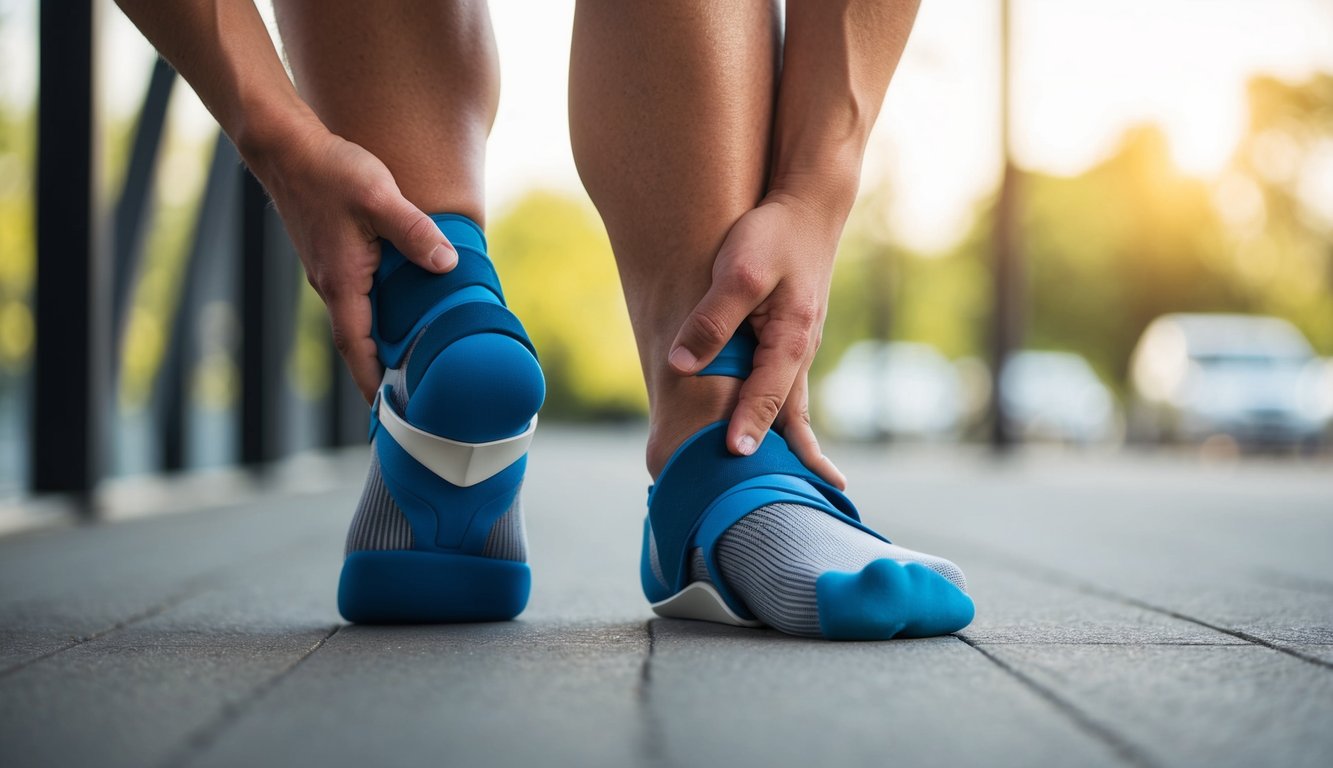
Body misalignment can trigger a chain reaction of pain throughout your lower body. When your feet aren’t properly aligned, the resulting compensation patterns create stress in unexpected areas.
Effects on Lower Extremity Function
Misalignment in your feet doesn’t just cause localized pain – it impacts your entire kinetic chain. When your feet don’t function correctly, your body compensates by altering your gait and posture. This compensation places abnormal stress on joints and tissues.
Poor foot alignment often leads to knee pain as your knees try to stabilize an unstable foundation. Your knee joints absorb excessive shock when your feet can’t perform this function properly.
Lower back pain frequently develops as your pelvis tilts to accommodate foot imbalances. This altered positioning strains your lumbar spine and surrounding muscles.
Hip misalignment connects directly to foot problems through interconnected muscles and tendons. When your hips shift to compensate for foot issues, this creates a painful feedback loop.
Shin splints commonly result from misalignment because your lower leg muscles work overtime to control unstable feet during movement.
Preventive Strategies with Orthotics
Custom orthotics provide targeted support to correct specific alignment issues in your feet. They work by redistributing pressure and guiding your foot into optimal positioning during movement.
For maximum benefit, your orthotics should address your unique foot structure. Custom-made inserts support your feet and promote proper alignment throughout your lower body.
Combining orthotics with appropriate footwear enhances their effectiveness. Choose shoes with adequate support that complement your orthotic therapy.
Strengthening exercises for foot muscles improve the benefits of orthotics. Try toe curls, ankle rotations, and arch lifts to build stability.
Proper biomechanical alignment reduces compensatory strain on your joints and prevents chronic injuries. Early intervention with orthotics can prevent minor discomfort from developing into serious problems.
Breaking In Your Orthotics
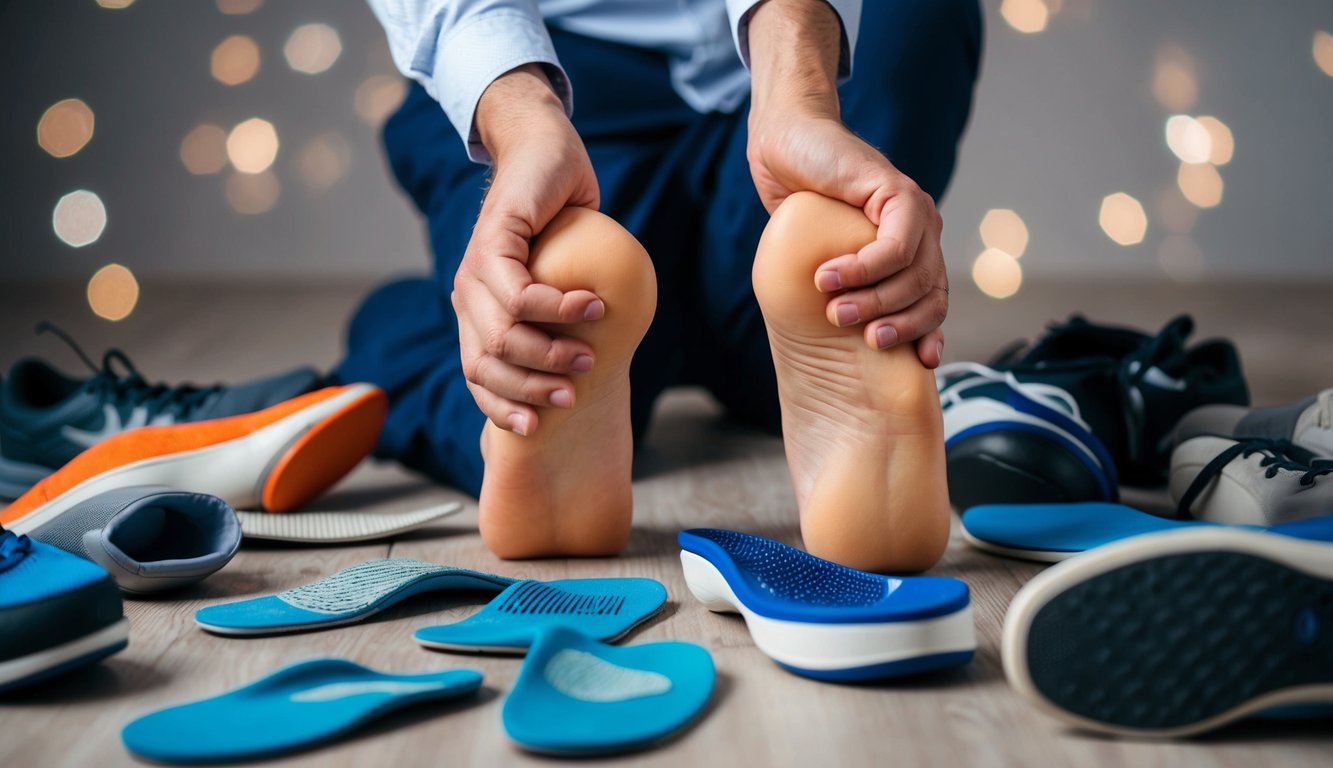
When you first get orthotics, your feet need time to adjust to them. The breaking-in process is crucial for comfort and preventing additional pain or injuries.
Adjustment Period Expectations
Most people need about 1-2 weeks to fully adjust to new orthotics. During this time, it’s normal to experience some mild discomfort as your feet adapt to the new alignment and support.
Start by wearing your orthotics for just 1-2 hours on the first day. Gradually increase wear time by adding 1-2 hours each day until you can comfortably wear them all day.
You might notice:
- Slight muscle soreness in your feet, legs, or lower back
- Temporary fatigue in leg muscles
- Mild pressure points on your feet
These symptoms should diminish within 7-14 days. If you’ve been using flat inserts before, your adjustment period might be longer since the correction is more significant.
Tips for a smooth break-in:
- Use them in your most comfortable, supportive shoes first
- Take breaks if discomfort becomes too intense
- Wear cushioned socks to reduce friction
- Remove orthotics immediately if you feel severe pain
When to Consult a Podiatrist
Contact your podiatrist if you experience persistent pain that lasts longer than two weeks or if discomfort worsens over time. This isn’t normal and might indicate a problem with your orthotics.
Warning signs that require professional attention include:
- Sharp or shooting pain
- Blisters or skin irritation
- Increased foot or ankle swelling
- New pain in knees, hips, or back
- Numbness or tingling in your feet
Your podiatrist can make adjustments to ensure a proper fit. Even small modifications can make a significant difference in comfort. Sometimes a follow-up appointment is needed for fine-tuning.
If you’re experiencing hip discomfort or lower back pain, tell your provider immediately. This might indicate the orthotics are causing misalignment issues through your legs and into your hips.
The Impact of Orthotics Beyond Feet

Orthotics provide benefits that extend far beyond just relieving foot pain. They can significantly influence your entire body’s alignment and function, affecting joints as distant as your hips and spine.
Improving Overall Body Alignment
Proper foot support creates a foundation for your entire body. When you wear custom orthotics, they help correct misalignments in your feet that can affect your whole body’s biomechanics.
Think of your body as a chain – what happens at your feet impacts everything above. Orthotics can:
- Stabilize foot position during walking and standing
- Improve posture by creating proper alignment from the ground up
- Reduce muscle strain in your legs and core
Research shows that correcting foot pronation (inward rolling) or supination (outward rolling) with orthotics can improve overall body alignment by up to 30% in some patients.
Your recovery from exercise or daily activities may also improve as orthotics reduce the strain on overworked muscles and joints.
Orthotics’ Influence on Back and Knee Pain
The connection between your feet and upper body pain is stronger than you might think. When your feet don’t function properly, the effects travel upward.
Misalignment in your feet can transfer through your legs to your hips, potentially causing lower back discomfort. Properly fitted orthotics help distribute pressure evenly across your feet.
For knee pain sufferers, orthotics can:
- Reduce internal rotation of the tibia
- Decrease stress on the knee joint
- Provide shock absorption during impact activities
Studies indicate that approximately 72% of patients with knee osteoarthritis experience reduced pain when using appropriate orthotic devices.
Your back benefits too. By improving lower body alignment, orthotics help maintain proper spinal positioning, potentially reducing chronic back pain that stems from poor foot mechanics.
Potential Challenges with Orthotics
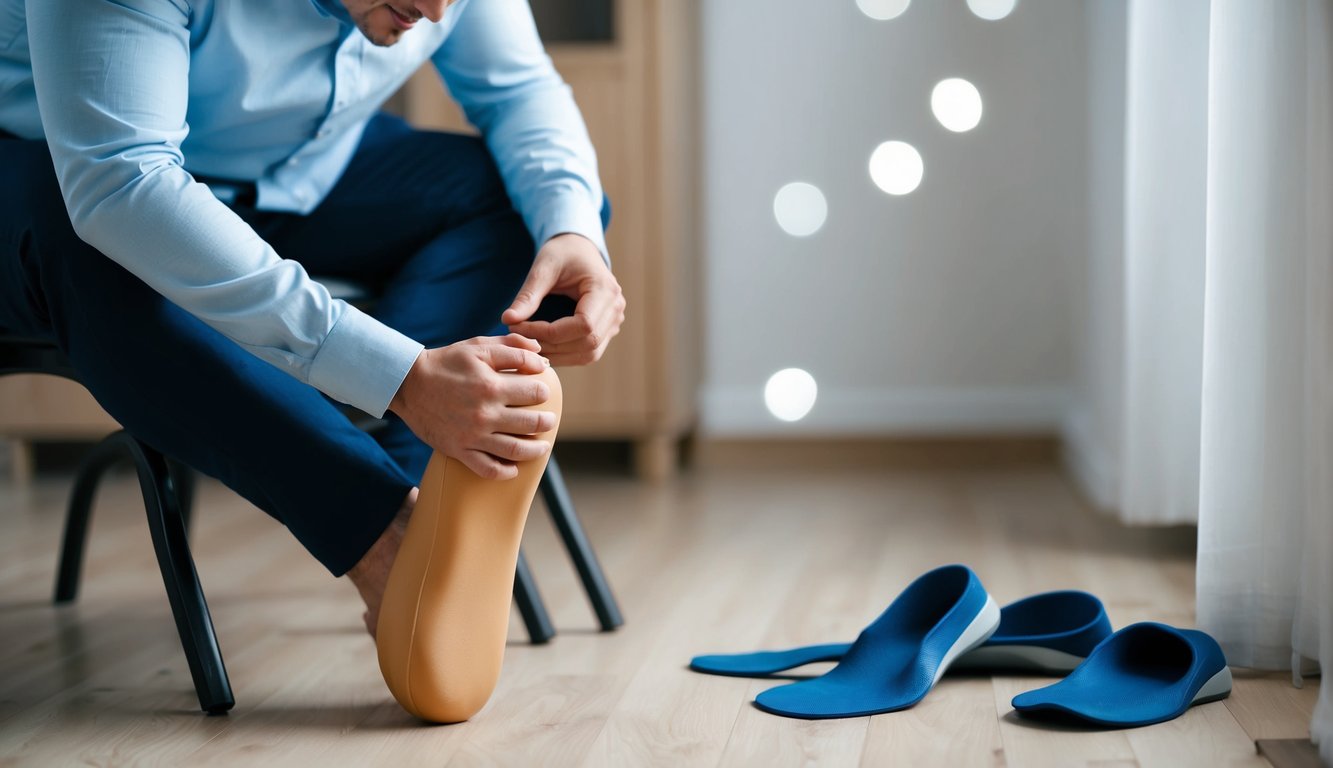
While orthotics are designed to help with foot pain, they sometimes come with difficulties that can affect their effectiveness. Understanding these challenges can help you navigate your treatment more successfully and achieve better pain relief.
Finding Compatible Footwear
Orthotics often require specific types of shoes to work properly. Many people struggle when orthotics don’t fit well in their favourite shoes, especially dress shoes, sandals, or fashionable footwear with limited depth.
Look for these features in shoes that work well with orthotics:
- Removable insoles that create space for your orthotic
- Wide toe boxes that accommodate the width of the orthotic
- Adequate depth to prevent your foot from feeling cramped
- Secure closures like laces or straps to keep your foot properly positioned
You may need to invest in new shoes specifically designed to work with orthotics. This extra expense isn’t always expected when you first get orthotics prescribed.
Addressing Inadequate Support
Sometimes orthotics don’t provide the right kind of support for your specific foot condition. Ill-fitted devices can cause discomfort, skin irritation, and even new pain patterns.
Signs your orthotics aren’t providing adequate support include:
- Continued or worsened pain after the break-in period
- New pain in different areas (knees, hips, or back)
- Visible wear patterns in unusual places
- Feeling unstable when walking
Many people make the mistake of assuming orthotics alone will fix everything. In reality, orthotics cannot address every underlying issue related to foot pain. Proper arch support and alignment require orthotics that match your specific needs.
If you experience ongoing issues, consult with your healthcare provider about adjustments or alternative approaches to pain relief.
Frequently Asked Questions
Orthotics can cause various issues when not properly fitted or used incorrectly. Understanding potential problems and how to address them can help you get the maximum benefit from your foot supports.
What are the potential side effects of wearing orthotics?
While orthotics are designed to help with foot pain, they sometimes cause discomfort as your feet adjust to them. Initial discomfort is normal during the breaking-in period.
More serious side effects may include pain in other areas of your body, like your knees, hips, or back. This often happens when orthotics change your walking pattern or posture.
Skin irritation, blisters, or calluses can develop if orthotics rub against your feet. Make sure your orthotics fit properly inside your shoes and don’t create pressure points.
How can orthotics lead to hip pain, and how can it be mitigated?
Orthotics can lead to hip pain by altering your gait mechanics. When your foot position changes, it affects alignment all the way up your leg to your hips.
To mitigate hip pain, ensure your orthotics are properly fitted by a qualified professional. Gradual adjustment is key—wear them for short periods initially and slowly increase usage time.
Complementary stretching and strengthening exercises for your hips can help your body adapt to the changed alignment. Focus on hip flexors, glutes, and core muscles to support proper posture.
Is it common for custom orthotics to be painful, and what steps can be taken to reduce discomfort?
Some discomfort with new custom orthotics is normal, but persistent pain should not be ignored as it signals an underlying issue.
To reduce discomfort, start by wearing your orthotics for just 1-2 hours daily, gradually increasing wear time over 2-3 weeks. This gives your feet time to adjust to the new support.
If pain persists beyond two weeks, contact your healthcare provider. Your orthotics may need adjustments to achieve the perfect fit, which is a normal part of the process.
Could knee pain be a consequence of using orthotics, and how might one address it?
Knee pain can occur when orthotics change your walking pattern or foot alignment, affecting how forces travel up your leg. This is particularly common if you had existing biomechanical issues.
Address this by ensuring proper orthotic fit and monitoring your symptoms. Small adjustments to your orthotics can make significant differences in how forces distribute through your knees.
Supportive exercises focusing on quadriceps, hamstrings, and calf muscles can help stabilize your knees while adapting to orthotics. Consider working with a physical therapist to develop an appropriate routine.
What are the best practices for adjusting to new orthotics without causing further foot pain?
Start with a gradual break-in period of 1-2 hours per day, increasing by 1-2 hours every few days. This allows your feet to adjust slowly to the new support structure.
Choose appropriate footwear that accommodates your orthotics properly. Shoes with removable insoles and sufficient depth prevent added pressure points.
Pay attention to how your body responds and don’t ignore pain signals. Some minor discomfort is normal initially, but sharp or persistent pain indicates a problem that needs addressing.
How long is too long to wear orthotics, and what signs should indicate a need for a break?
Most people can wear orthotics throughout the day without issues, but everyone’s tolerance varies. Listen to your body’s signals to determine your optimal wear time.
Signs you need a break include increasing pain, numbness, tingling, or new discomfort in your feet, ankles, knees, or hips. These symptoms suggest your feet or body need rest from the corrective positioning.
Orthotic materials can also wear down with extensive use, becoming less effective. Inspect your orthotics regularly for signs of wear, compression, or damage, and replace them as recommended by your healthcare provider, typically every 1-3 years.